
Design notes
Humidity Tips
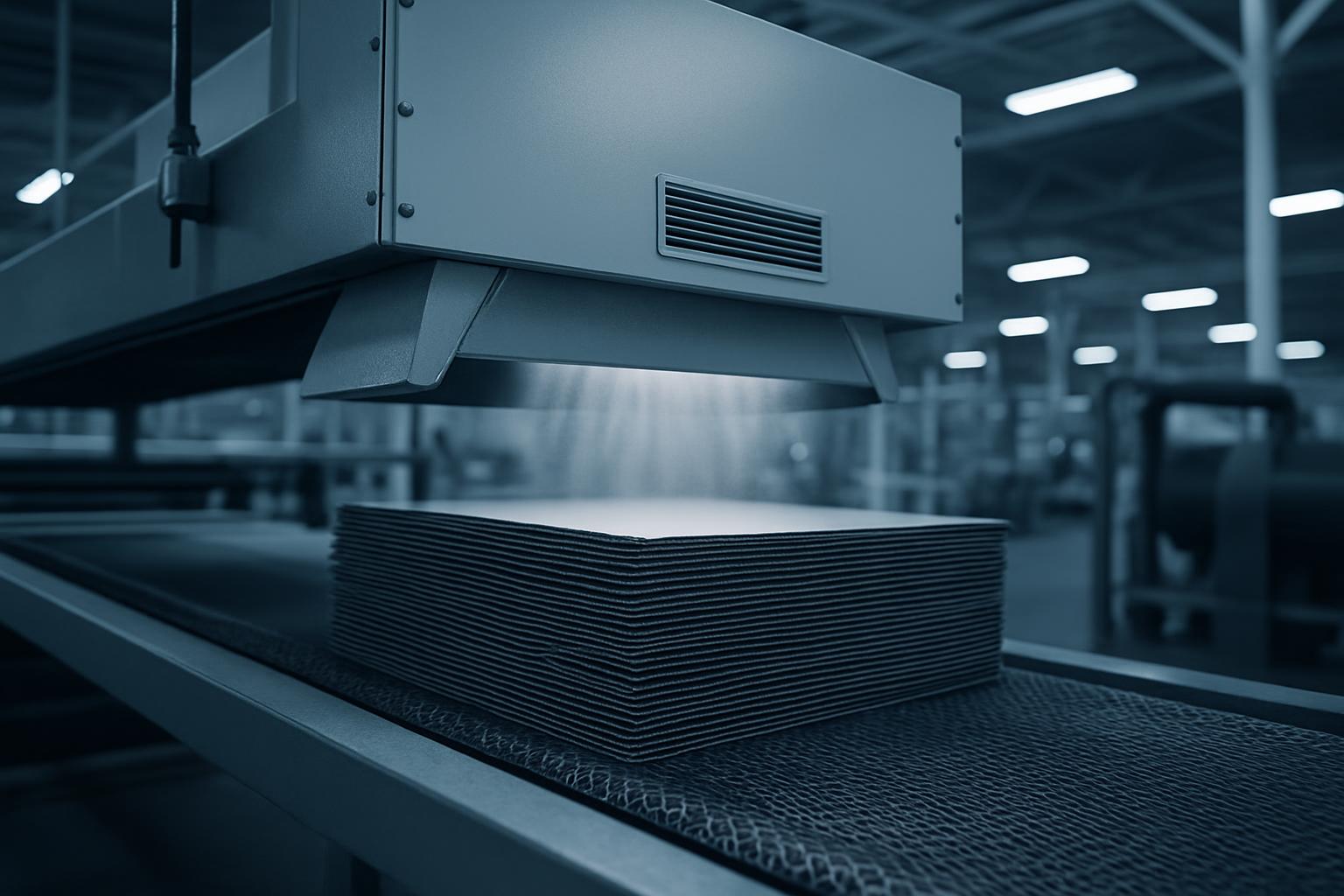
A practical wall-art note on heat and moisture when storing prints, vinyl and framed pieces.
Moisture catches wall art teams out in ordinary ways: a print measured before the wall has dried, adhesive applied in a damp passage, or a canvas wrapped while the room still holds steam. Humidity Tips covers the checks that help South African decor jobs go on cleanly.
In Johannesburg stores, Durban passages, and Cape Town homes near the coast, damp air can soften backing boards, loosen vinyl release liners, and mark wrapped frames.
Moisture checks before packing
- Room dryness logged before measuring
- One photo showing storage or install conditions
- Material batch noted from the artwork folder
- Installer or buyer contact kept easy to read
Use this note alongside the relevant product page before stock is moved or wrapped. Humidity changes how paper, vinyl, mount board, and timber behave, so the handling method matters as much as the print spec. Reading both pages together helps teams separate artwork issues from site moisture issues.
How vinyl mural humidity tips land in Sunnyrock installs
Humidity Tips covers the effect of heat and moisture on stored prints, vinyl, and framed wall art. Use it to avoid curl, lift, and finish problems before installation.
Check the wall finish, room ventilation, and time since painting before vinyl or framed pieces leave the bench. Bathrooms, passages without airflow, and recently cleaned retail walls can all hold extra moisture that affects adhesion and finish quality. We write these notes for homes, offices, hospitality spaces, and shop interiors across Johannesburg, Durban, Cape Town, and other South African sites where storage conditions shift from suburb to suburb.
Take the first photo before anything is unwrapped or stacked against a wall. That record helps when edge curl appears later on a mural drop, or when a print arrives with slight wave after being held in a damp room. Keep the image with the job file so the team can compare storage conditions against the final install.
Problems to prevent
You finish with a clearer handling routine for prints, self-adhesive vinyl, and framed work exposed to heat or moisture. The point is to catch risk early, such as tack loss, paper ripple, edge lift, or a cloudy acrylic face after wrapping. One accurate site check saves more waste than reprinting from guesswork.
Read Humidity Tips with the substrate information and a related journal entry before changing material or finish on a damp-site job. Check the wall, packed pieces, and storage room once more before dispatch or installation. Share a photo of the space and the print finish you like, and the studio will plan the piece.
- Wall art matched to actual room conditions
- Early moisture signs photographed before install
- Team email kept with the job record
South African moisture patterns to watch
Sunnyrock installs can feel dry at dispatch and still meet moisture on site if a corridor has just been washed or a wall has not cured after paint. Around OR Tambo freight movement, boxed prints may also move between chilled air, warm vehicles, and humid receiving areas, which can affect wrapping and board flatness. Separate urgent reprints from standard decor traffic so moisture-related problems are tracked properly.
Coastal air in Durban and Cape Town can increase curl on some print media and can slow adhesive grab on certain wall films. Inland dust around Gauteng changes cleaning methods for framed pieces, especially where condensation has marked the glazing or acrylic face. Load-shedding also affects air movement in closed rooms, which matters when materials are acclimatising before fitment.
Operated by Astros Marketing (Pty) Ltd from 2 Makro Place, Sunnyrock 1401.
Notes to capture on humid jobs
A practical wall-art note on heat and moisture when storing prints, vinyl and framed pieces.
Save the artwork references, approval trail, and site photos while the conditions are still easy to remember. It is most useful when a buyer asks why stock was held back, rewrapped, or moved to a drier room before installation. A short moisture note now can explain edge lift or warping far better than memory later.