
Design notes
Power Windows
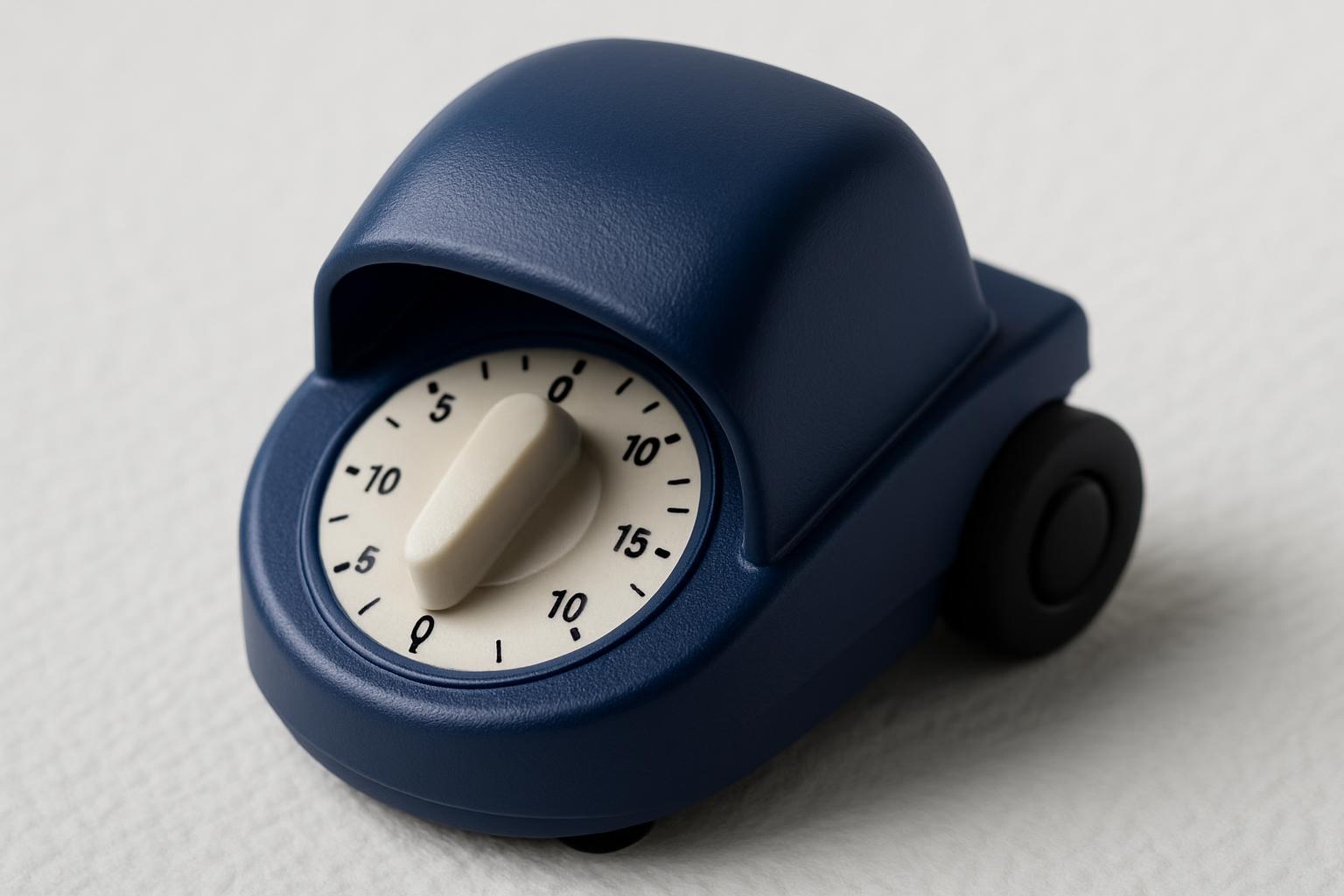
Use power windows properly by lining up print, laminating and install work with the hours your equipment is actually available.
Natural light changes how wall art reads from one room to the next. A print that works in soft morning light can look flat beside a bright west-facing window. Power Windows is our note on placing art around strong light and glare.
Power Windows is about matching artwork decisions to the hours your printer, laminator, cutter, and install crew can actually work. On Gauteng and Western Cape jobs, load-shedding slots, access times, and afternoon glare can all shift the order of production.
Checks Before a Power Window Run
- Machine hours matched to site access
- Window direction noted from room photos
- Artwork version pulled from the live folder
- Installer and client numbers confirmed
Use this note alongside the relevant product page when strong light or limited machine time could affect the job. Here we focus on scheduling, glare, placement, and production handover. The product page covers the media, finish, and size options.
How plotter power windows affect vinyl cut jobs
Power Windows covers how to schedule print, laminating, and install work around the hours your equipment is actually available. Use it to line up production steps without losing time between machines and site work.
Begin with the room orientation, glass area, and the hours the wall receives direct sun. A boardroom in Johannesburg can read very differently at 08:00 and again after lunch, especially with reflective film, framed glass, or satin laminate. We write these notes for homes, offices, hospitality sites, and retail settings across South Africa where timing on press matters as much as the artwork itself.
Capture the first room image with the windows visible, not just the blank wall. That reference helps when deciding whether to shift panel joins, change laminate sheen, or move installation to a better time of day. It also reduces guesswork when the print team and site crew are not in the same place.
What the Note Must Clarify
You should finish with a production order that names the print stage, lamination stage, and install slot in the right sequence. We also want the light risk recorded clearly, whether that is early glare, backlighting, or a hot west-facing window. One well-timed run is more useful than extra concepts that ignore machine availability.
Link Power Windows with the substrate choice and the artwork check before expanding the scope of the job. Review print readiness, laminate stock, power availability, and the packed pieces once more before dispatch. Share a photo of the space and the print finish you like, and the studio will plan the piece.
- Artwork placed for actual room lighting
- First light check logged before printing
- Project contacts listed for handover
South African Conditions That Shift Timing
We factor in apartment access rules, office shutdown times, mall delivery windows, and hotel changeover hours in Gauteng, KZN, and the Western Cape. Some clients arrive with finished artwork and strict brand spacing, while others need placement tested against daylight first. Keep urgent output requests separate from the wider decor planning so the run order stays usable.
Coastal humidity can affect how certain self-adhesive media settles after application. Inland dust shows quickly on dark prints near glazing, especially where afternoon sun hits the surface. Power cuts also change when large-format printing, curing, and on-site fitting can happen on the same job.
Operated by Astros Marketing (Pty) Ltd from 2 Makro Place, Sunnyrock 1401.
Power Windows Brief Notes
Use power windows properly by lining up print, laminating and install work with the hours your equipment is actually available.
Record this note while the room photos, machine schedule, and approval comments are still current. Pair it with the project brief and the final artwork file when the buyer or designer asks for sign-off. That keeps the print sequence and installation timing tied to the same version of the job.