
Design notes
Spare Logic
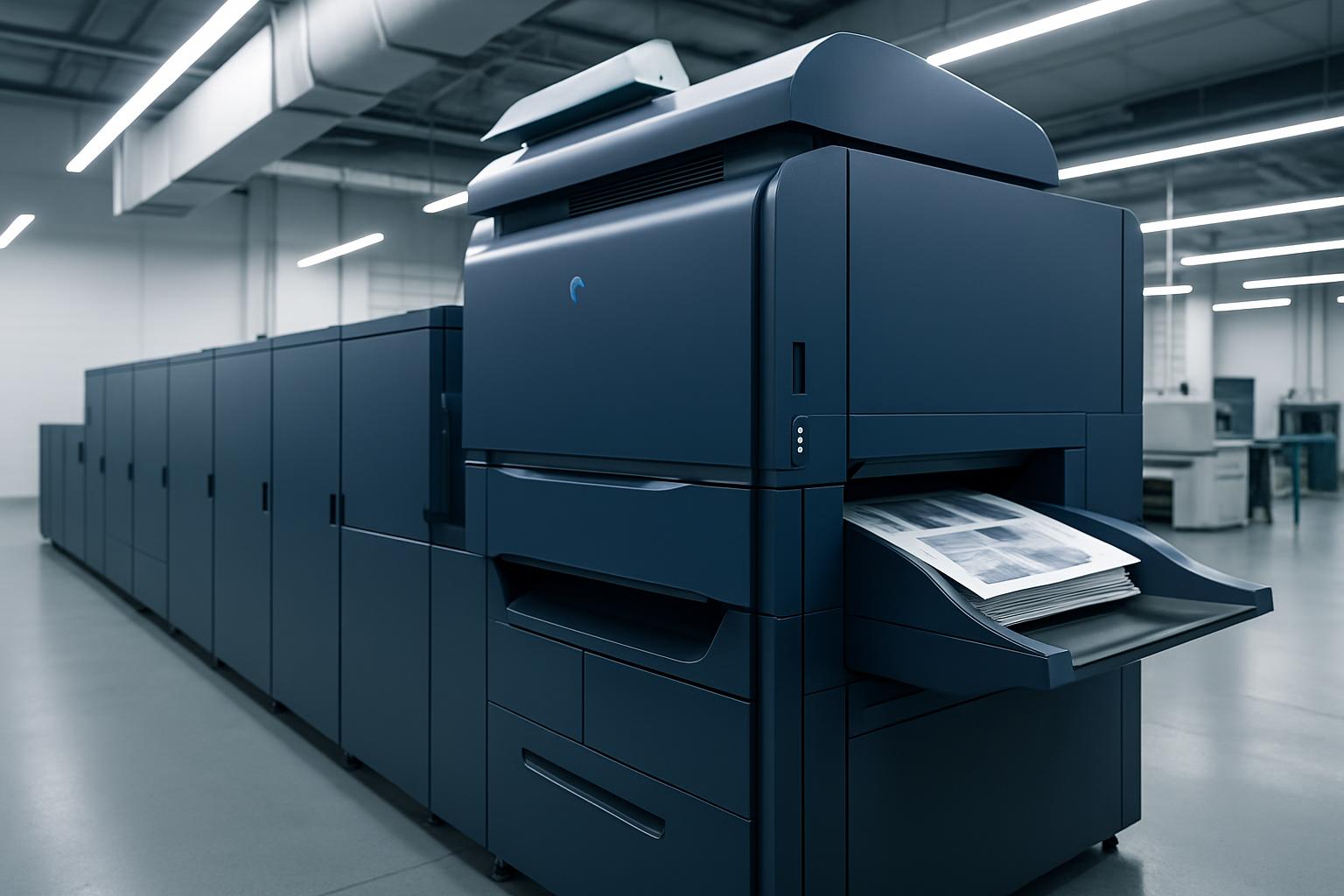
A practical note on spare print planning for teams managing replacement panels and matching sets.
A missing hook set, extra mounting tape or the right frame sample can hold up an otherwise ready install. Spare Logic covers the backup items that make sense to keep on hand for wall-art work across South Africa.
Spare Logic is about keeping the right backup pieces with each wall-art job, not storing random extras that never match later. For Gauteng, KZN and the Western Cape, we note spare panels, offcut samples, hook sets and tape that can rescue an install when one part is marked, bent or misplaced.
Spare items worth listing early
- Replacement panel quantity recorded
- Frame corner or media sample kept
- Approved artwork version tied to spares
- Installer and buyer details noted clearly
Read this note alongside the matching media and installation information. Spare Logic deals with what to hold back for refits, damaged pieces and repeat rooms, while the product page covers finish, scale and print method. Used together, they stop a later reprint from drifting away from the first approved set.
How spare logic supports vinyl and wallpaper production
Spare Logic explains how to plan extra prints for replacement panels and matching sets. This note is useful when a project needs visual consistency across repeat rooms, refits or later additions.
Check where the work is going before deciding what spare stock is sensible. A guesthouse with repeat passages, a retail rollout, or a Johannesburg office refresh each need different backup planning. Humidity near the coast, patchy wall prep, load-shedding and long courier routes can all change whether you keep extra drops, extra panels or only a signed colour sample.
Keep the first reference pack with the live job file. That can be one labelled print swatch, one cropped approval image and one note on trim, laminate or frame finish. When a panel is damaged months later, those small records matter more than memory on a busy site.
What Spare Logic leaves behind
The outcome is a short reserve plan tied to the actual wall-art set, not a vague note about extras. It should name which pieces deserve duplicates, where they are stored, and which approval file governs future reprints. One correct spare panel can save a matched corridor or bedroom pair from looking inconsistent.
Use Spare Logic before adding more rooms or ordering fresh batches against an old installation. Recheck the approved file name, crop, finish code and parcel label before any backup print leaves for site. Share a photo of the space and the print finish you like, and the studio will plan the piece.
- Spare stock matched to approved artwork
- Reserve sample labelled before dispatch
- Related: Software for version tracking, Substrates for spare panel matching, Design notes for install backup checks
Conditions that affect backup planning
South African decor work often runs across phased apartment blocks, hotel wings, offices and store updates, so not every wall-art set is installed in one go. Spare Logic is most useful where matching rooms may be added later or where one damaged piece can spoil a repeated scheme. If brand rules, room numbers or prior artwork exist, those references should sit with the reserve note from the start.
Coastal projects may need extra attention to adhesive choices, edge sealing and storage conditions before spare pieces are packed away. Inland dust and site traffic can mark wrapped prints, frame samples and mounting parts long before handover. Power interruptions also matter because a second print run must line up with the original colour and scale records.
Operated by Astros Marketing (Pty) Ltd from 2 Makro Place, Sunnyrock 1401.
Recording spare logic on jobs
A practical note on spare print planning for teams managing replacement panels and matching sets.
Capture the spare plan while approvals, measurements and room allocations are still easy to verify. Link the spare plan to the project brief, final artwork and any installer notes that mention replacement risk or future expansion. That makes later add-ons easier to match without guessing which version was signed off.