
Substrates
Training First
A training-led workflow for wall art teams in South Africa, written for decor teams who already know the basics.
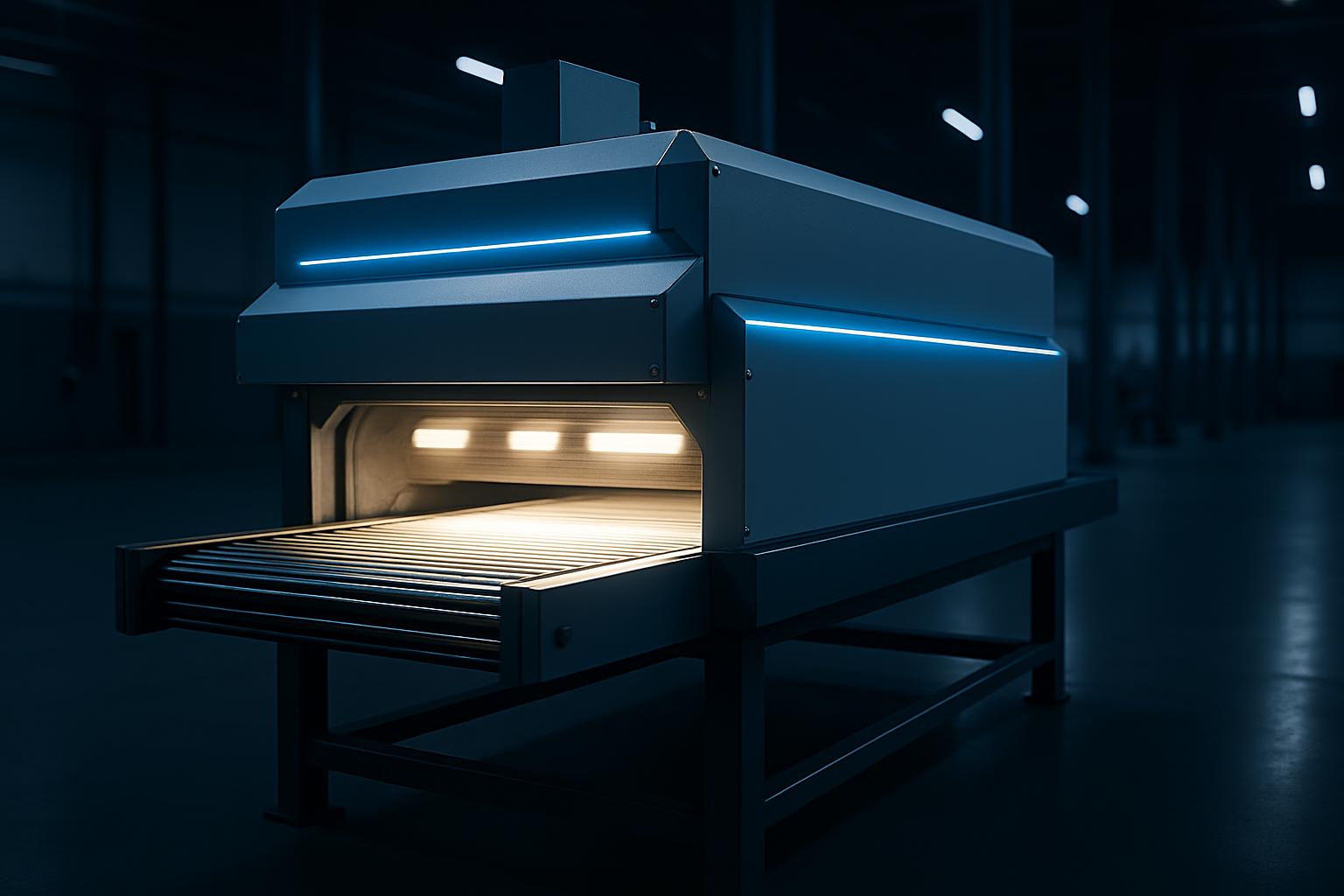
Training drills before installation
Training First is aimed at wall-art teams that need a clear method before work starts on site. It supports practical handover, fitment guidance and shared understanding across design, print and installation.
Training First starts with the room in its actual condition, not a polished render. We check paint type, skimmed plaster, existing vinyl, corner damage, window glare and access for ladders before the print file is signed off. Across Johannesburg, Durban and Cape Town, humidity, dust and load-shedding each change how teams prep, print and fit wall graphics.
The first set of site photos should show the full wall, nearby doors, plug points and any obstacle that affects panel joins. Training notes are then stored with the artwork version so design, print and installation are reading the same job record. That reduces guesswork when a panel needs reprint matching after handling marks or trimming errors.
What the team takes back
Each handover covers artwork scale, media choice, panel order and the fitting method expected on site. The outcome is a working checklist that names sizes, finishes, wall prep and packing labels in plain terms. For busy decor teams, one approved route with clear sign-off points is easier to manage than several loose concepts.
Use Training First alongside the matching substrate note and the relevant design record before extra rooms are added to scope. Recheck the final artwork file, laminate or finish choice, and carton labels before goods leave for site. Share a photo of the space and the print finish you like, and the studio will plan the piece.
- Wall prep matched to the chosen media
- Photo record before printing starts
- Shared handover notes for design and installers
Site conditions that change outcomes
Training plans need to account for dispatch windows, collection points and access rules at business parks, malls and residential estates. OR Tambo freight pressure, Sunnyrock pickups and restricted receiving hours can shift how prints are packed and handed over. Where a rollout is mid-stream, separate the reprint items from new area briefs so teams do not mix sequences on site.
Coastal moisture can affect adhesion, especially on walls that were recently painted or cleaned. Inland sites often bring dust, builder residue and stronger sunlight, which changes prep, application and aftercare instructions. Power cuts also matter because print timing, curing and installation bookings must line up with available working hours.
Operated by Astros Marketing (Pty) Ltd from 2 Makro Place, Sunnyrock 1401.
Recording the training handover
Brief Training First with photos of the space, team handover dates, install sequence, and any handling mistakes already seen. Keep the subject line easy to sort by project.
When approvals, crop marks, and room photos still match, add a Training First note to the project folder. Include installer comments, print specs, and the final wall reference so the buyer can review the same details used by design and fitment.
What our Wall Art Design customers say
Verified Google reviews